Thứ Hai, 3 tháng 4, 2017

Waching daily Apr 4 2017

LEARN COLORS w McQueen Learn Numbers w Cars Cartoon for Kids & LEGO Learning Video

LEARN COLORS w McQueen Learn Numbers w Cars Cartoon for Kids & LEGO Learning Video

LEARN COLORS w McQueen Learn Numbers w Cars Cartoon for Kids & LEGO Learning Video

LEARN COLORS w McQueen Learn Numbers w Cars Cartoon for Kids & LEGO Learning Video

LEARN COLORS w McQueen Learn Numbers w Cars Cartoon for Kids & LEGO Learning Video

LEARN COLORS w McQueen Learn Numbers w Cars Cartoon for Kids & LEGO Learning Video

LEARN COLORS w McQueen Learn Numbers w Cars Cartoon for Kids & LEGO Learning Video

LEARN COLORS w McQueen Learn Numbers w Cars Cartoon for Kids & LEGO Learning Video

LEARN COLORS w McQueen Learn Numbers w Cars Cartoon for Kids & LEGO Learning Video

LEARN COLORS w McQueen Learn Numbers w Cars Cartoon for Kids & LEGO Learning Video

LEARN COLORS w McQueen Learn Numbers w Cars Cartoon for Kids & LEGO Learning Video

LEARN COLORS w McQueen Learn Numbers w Cars Cartoon for Kids & LEGO Learning Video

LEARN COLORS w McQueen Learn Numbers w Cars Cartoon for Kids & LEGO Learning Video

LEARN COLORS w McQueen Learn Numbers w Cars Cartoon for Kids & LEGO Learning Video

LEARN COLORS w McQueen Learn Numbers w Cars Cartoon for Kids & LEGO Learning Video

LEARN COLORS w McQueen Learn Numbers w Cars Cartoon for Kids & LEGO Learning Video

LEARN COLORS w McQueen Learn Numbers w Cars Cartoon for Kids & LEGO Learning Video

LEARN COLORS w McQueen Learn Numbers w Cars Cartoon for Kids & LEGO Learning Video

LEARN COLORS w McQueen Learn Numbers w Cars Cartoon for Kids & LEGO Learning Video

LEARN COLORS w McQueen Learn Numbers w Cars Cartoon for Kids & LEGO Learning Video

LEARN COLORS w McQueen Learn Numbers w Cars Cartoon for Kids & LEGO Learning Video

LEARN COLORS w McQueen Learn Numbers w Cars Cartoon for Kids & LEGO Learning Video

LEARN COLORS w McQueen Learn Numbers w Cars Cartoon for Kids & LEGO Learning Video

LEARN COLORS w McQueen Learn Numbers w Cars Cartoon for Kids & LEGO Learning Video

LEARN COLORS w McQueen Learn Numbers w Cars Cartoon for Kids & LEGO Learning Video

LEARN COLORS w McQueen Learn Numbers w Cars Cartoon for Kids & LEGO Learning Video

LEARN COLORS w McQueen Learn Numbers w Cars Cartoon for Kids & LEGO Learning Video

LEARN COLORS w McQueen Learn Numbers w Cars Cartoon for Kids & LEGO Learning Video

LEARN COLORS w McQueen Learn Numbers w Cars Cartoon for Kids & LEGO Learning Video

LEARN COLORS w McQueen Learn Numbers w Cars Cartoon for Kids & LEGO Learning Video

LEARN COLORS w McQueen Learn Numbers w Cars Cartoon for Kids & LEGO Learning Video

LEARN COLORS w McQueen Learn Numbers w Cars Cartoon for Kids & LEGO Learning Video

LEARN COLORS w McQueen Learn Numbers w Cars Cartoon for Kids & LEGO Learning Video

LEARN COLORS w McQueen Learn Numbers w Cars Cartoon for Kids & LEGO Learning Video

LEARN COLORS w McQueen Learn Numbers w Cars Cartoon for Kids & LEGO Learning Video

LEARN COLORS w McQueen Learn Numbers w Cars Cartoon for Kids & LEGO Learning Video

LEARN COLORS w McQueen Learn Numbers w Cars Cartoon for Kids & LEGO Learning Video

LEARN COLORS w McQueen Learn Numbers w Cars Cartoon for Kids & LEGO Learning Video

LEARN COLORS w McQueen Learn Numbers w Cars Cartoon for Kids & LEGO Learning Video

LEARN COLORS w McQueen Learn Numbers w Cars Cartoon for Kids & LEGO Learning Video

LEARN COLORS w McQueen Learn Numbers w Cars Cartoon for Kids & LEGO Learning Video

LEARN COLORS w McQueen Learn Numbers w Cars Cartoon for Kids & LEGO Learning Video

LEARN COLORS w McQueen Learn Numbers w Cars Cartoon for Kids & LEGO Learning Video

LEARN COLORS w McQueen Learn Numbers w Cars Cartoon for Kids & LEGO Learning Video

LEARN COLORS w McQueen Learn Numbers w Cars Cartoon for Kids & LEGO Learning Video

LEARN COLORS w McQueen Learn Numbers w Cars Cartoon for Kids & LEGO Learning Video

LEARN COLORS w McQueen Learn Numbers w Cars Cartoon for Kids & LEGO Learning Video

LEARN COLORS w McQueen Learn Numbers w Cars Cartoon for Kids & LEGO Learning Video

LEARN COLORS w McQueen Learn Numbers w Cars Cartoon for Kids & LEGO Learning Video

LEARN COLORS w McQueen Learn Numbers w Cars Cartoon for Kids & LEGO Learning Video

LEARN COLORS w McQueen Learn Numbers w Cars Cartoon for Kids & LEGO Learning Video

LEARN COLORS w McQueen Learn Numbers w Cars Cartoon for Kids & LEGO Learning Video

LEARN COLORS w McQueen Learn Numbers w Cars Cartoon for Kids & LEGO Learning Video

LEARN COLORS w McQueen Learn Numbers w Cars Cartoon for Kids & LEGO Learning Video

LEARN COLORS w McQueen Learn Numbers w Cars Cartoon for Kids & LEGO Learning Video

LEARN COLORS w McQueen Learn Numbers w Cars Cartoon for Kids & LEGO Learning Video

LEARN COLORS w McQueen Learn Numbers w Cars Cartoon for Kids & LEGO Learning Video

LEARN COLORS w McQueen Learn Numbers w Cars Cartoon for Kids & LEGO Learning Video

LEARN COLORS w McQueen Learn Numbers w Cars Cartoon for Kids & LEGO Learning Video

LEARN COLORS w McQueen Learn Numbers w Cars Cartoon for Kids & LEGO Learning Video

LEARN COLORS w McQueen Learn Numbers w Cars Cartoon for Kids & LEGO Learning Video

LEARN COLORS w McQueen Learn Numbers w Cars Cartoon for Kids & LEGO Learning Video

LEARN COLORS w McQueen Learn Numbers w Cars Cartoon for Kids & LEGO Learning Video

LEARN COLORS w McQueen Learn Numbers w Cars Cartoon for Kids & LEGO Learning Video

LEARN COLORS w McQueen Learn Numbers w Cars Cartoon for Kids & LEGO Learning Video

For more infomation >> LEARN COLORS w McQueen Learn Numbers w Cars Cartoon for Kids & LEGO Learning Video - Duration: 12:19.

-------------------------------------------

How to draw a Cup - Lessons Video for Kids - Duration: 4:04.

CLICK ON THE BELL

For more infomation >> How to draw a Cup - Lessons Video for Kids - Duration: 4:04.

-------------------------------------------

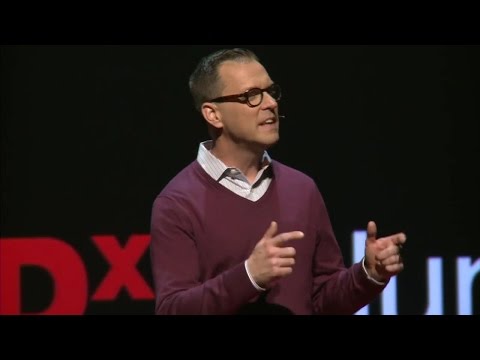
Don't try to be mindful - Daron Larson - Duration: 12:00.

[APPLAUSE]

[MUSIC]

So mindfulness is a way to train your attention using your ordinary senses and

perceptions. Maybe you've heard about it. There's this explosion of research

that's validating its many benefits--the way it helps people manage stress,

reduce their anxiety, and even sleep better. I was

skeptical about these claims, because I have kind of a natural talent for stress.

One time I was stressed out on vacation after a massage...

>> [LAUGHTER] >> At a hot springs spa resort...

And I kept thinking how I wanted to take a picture of this place. Because it

would help me relax when I got back to the job I was dreading returning to.

So that gives you an idea of what I was up against. But I decided, I'm going to

give this mindfulness a try. So I've been practicing every day for 13 years.

And I noticed that it started to quietly

transform the way I was living my life,

when I stopped trying to get the outcomes I was hoping for, and

instead put my attention on doing the exercises required to get there.

It reminded me what I already knew about physical fitness.

If you take the stairs and

you notice your heart starts to beat faster, maybe your legs start to burn,

you don't say to yourself, oh, I must be taking the stairs wrong, right?

>> [LAUGHTER] >> You say,

this is what taking the stairs feels like. And

if we always take the elevator in order to save time and avoid discomfort,

we just miss opportunities for developing our physical health.

And it's the same thing, it works the same way. So many people try mindfulness and

they're convinced they're doing it wrong, so they give up. And

they miss an opportunity to change their relationship with discomfort.

And if you expect your everyday life to be free of discomfort and

confusion, you're going to spend all your energy worrying,

trying not to feel what you feel, and saying,

this messy life is not my real life. So what keeps us holding out for

these perfect, comfortable lives that we imagine? And

how can training your attention help address these habits?

There's an underlying story problem built into the way we relate to our lives.

It feels like I'm a character navigating all these challenges in order to

get somewhere. And this narrative structure is incredibly useful.

It helps me decide what's important. It makes it possible to work towards and

achieve goals--but there's a problem. My obstacles

don't seem to be part of what I consider my actual life.

They feel like temporary annoyances that I have to push through in order to get to

what's on the other side. But very often it turns out what's

on the other side of my obstacles ends up not being the relief I'm hoping for.

Am I the only one? It ends up being another obstacle, and

I have a spoiler alert here... This pattern keeps repeating and

repeating, and we end up waiting for,

habitually waiting for what's ever happening to pass. And

this dilemma scales all the way down to the moment-by-moment experience--all

these little looping stories of waking up on time, and trying to get to work, and

going to meeting, and dealing with difficult people, deciding what to eat...

And maybe the best we can do is sometimes comfort ourselves with the idea

of evenings and weekends and vacations, right? But

it's at this moment-by-moment scale where the work of mindfulness occurs,

all these little places where we distract ourselves and go onto autopilot.

But mindfulness isn't a solution to your story problem, so

don't cancel your therapy appointment. It's not a narrative solution at all.

It's actually a solution for

the problem of living within these narrative constraints.

And any time that you habitually check out,

starts to become an opportunity for checking in.

So let me give you a little exercise that you can use in any situation.

All you have to do is pause to notice some sensory detail of

your current experience. Let's give this a quick spin. For

just a few seconds, what's it like to see? It's easy.

What's it like to hear? What's it like to notice some sensation in your body?

So that's probably the shortest exercise workout I've ever led,

but...what I'm hoping you'll do is compare it to what you already know

about physical fitness. One pushup's not very impressive, it seems kind of trivial.

But we know that if we make a habit and we do several pushups a day,

over weeks we're going to start noticing more strength in our upper body. So

instead of trying to be mindful,

what if you tried to notice what's happening? Every time you stop and

pay close attention to what's happening, you disrupt that narrative,

that narrative of your life from inside your story.

Instead of trying to live in the moment, what if you just started to sneak

this kind of noticing into your routine? When you take a shower,

what would it be like to actually feel the water hitting your body or

smell the shampoo? What would it be like to taste your coffee?

What if you notice what it looks like to see the screen in your hand and,

once in a while, look up and see what's right in front of you,

right? Any activity that doesn't require much thinking will work for this. And

it turns out there's a lot more of them than you realize once you start looking.

And nobody needs to know that you're doing this.

In fact, I recommend you kind of keep it to yourself.

>> [LAUGHTER] >> I've kind of learned from experience that nobody wants to

hear about the relaxation you're savoring in your legs during a meeting.

>> [LAUGHTER] >> And

the details you notice don't need to be pleasant.

What's it like to run late? What's it like to be standing in

the slowest line in the grocery store? What's it like to watch your windshield

wipers as you're waiting for the light to turn green? Your strategy for

living in the present will go a lot better when you accept how frequently the present

sucks. >> [LAUGHTER]

[APPLAUSE]

>> So I've been describing a way to pay attention in the midst of ordinary life.

But there's also a formal version of the practice you might be familiar,

where you pick something to notice over and over again for a set amount of time.

So maybe 10 or 15 minutes, you notice what it feels like to breathe.

You might notice what it's like to hear sounds around you. And

whenever you realize that you've completely lost contact with that,

you just gently bring your attention back. This timed practice is what everybody

thinks is the only thing that counts, and I want to challenge this assumption.

The timed practice is intended, it's like going to the gym.

It supports your ability to be attentive throughout out the rest of the day.

So you might notice relaxation during your timed practice, and

then check in throughout the day to see if there's something restful at all that you

can detect and savor. So, one time I was teaching a class,

and it wasn't a mindfulness class, but it was the first night.

I get a phone call and I had the start time wrong, so I was late and

I didn't realize it. There's a classroom full of people waiting across town for

me. So I spent this whole evening toggling back and

forth between the course content and how rattled I felt. My senses were heightened,

my face was hot, my breath was shallow, I felt embarrassed. It was super-vulnerable.

And over the next three weeks, during my formal practice time, it became about

observing all the related feelings and thoughts. And then, throughout the day,

I would check in to notice, can I detect any of those flavors emotionally?

And they were always there, simmering on a back burner.

And I think people would be surprised to know that,

if you saw me sitting every morning for those three weeks, you would say, oh,

he looks so relaxed. He's not moving, I want some of what he's having.

But inside, it was a total shit storm. >> [LAUGHTER] >> And

I wasn't doing it wrong. This is what my embarrassment and

the reverberations felt like. I think people would also be surprised

to discover that the catharsis I felt during that time was worth every moment of

turning towards that icky garden-variety discomfort instead of pushing it away.

The narrative mode of attention wasn't always our default.

Louise Gluck says, We look at the world once, in childhood.

The rest is memory. Noticing that you're alive is a taste that adults

have to reacquire. People think they don't have time to practice paying attention in

the way I'm describing, but I think what we really resist is being willing to

set aside our unresolved story problems, even for a few seconds.

And I'm not advocating noticing every sensation, all the time.

Instead of trying to put your story aside for even 15 minutes a day,

what would it be like if you limited your worrying, and

your numbing, and your unconsciousness to 23 hours and 45 minutes?

You don't have to try to be mindful, you don't have to be relaxed.

Just by remembering to notice again and again that this messy life,

with its one obstacle after another, really is your life.

And that it's possible to train your attention so that you feel more at home,

both in your story and in the direct experience of living. Thank you.

>> [APPLAUSE]

For more infomation >> Don't try to be mindful - Daron Larson - Duration: 12:00.

-------------------------------------------

'I am Public Health' video campaign begins - Duration: 3:56.

For more infomation >> 'I am Public Health' video campaign begins - Duration: 3:56.

-------------------------------------------

Kajal Aggarwal Secretly Got Married | Wedding video | Kajal Agarwal Ready For Marriage - Duration: 1:00.

Kajal Agarwal Marriage Confirmed

For more infomation >> Kajal Aggarwal Secretly Got Married | Wedding video | Kajal Agarwal Ready For Marriage - Duration: 1:00.

-------------------------------------------

Facebook Live Video- My week in Parliament 30/03/17 - Duration: 4:28.

For more infomation >> Facebook Live Video- My week in Parliament 30/03/17 - Duration: 4:28.

-------------------------------------------

The Power of Mindfulness: What You Practice Grows Stronger - Shauna Shapiro - Duration: 13:46.

[APPLAUSE]

>> If, in rush hour traffic, you can remain perfectly calm,

if you can see your neighbors travel to fantastic places without

a twinge of jealousy, if you can love everyone around you unconditionally,

and if you can always find contentment just where you are,

then you're probably a dog. >> [LAUGHTER] >> Right?

We hold ourselves to these unrealistic standards of perfection, and

then we judge ourselves when we don't live up to them. The thing is,

we're not supposed to be perfect. Perfection isn't possible, but

transformation is. All of us have the capacity to change,

to learn, and to grow, no matter what our circumstances. As a professor and

scientist, I study how people change, how people transform. And

one of the most effective vehicles I've found is mindfulness.

My own journey into mindfulness was unexpected. When I was 17,

I had spinal fusion surgery, a metal rod put in my spine.

I went from a healthy, active teenager to lying in a hospital bed unable to walk.

And during the many months of rehabilitation, I tried to figure out

how to live in this body that could no longer do what it used to.

The physical pain was difficult, but worse was the fear and

the loneliness, and I simply didn't have the tools to cope, so

I began searching for something that could help. And eventually the search led me

to a monastery in Thailand for my first meditation retreat.

At the monastery, the monks didn't speak much English and I didn't speak any Thai,

but I understood mindfulness had something to do with paying attention in the present

moment. My only instruction was to feel the breath going in and

out of my nose. So I began, one breath, two breaths, my mind wandered off...

I brought it back. One breath, two breaths, it wandered again,

sucked into the past or lost in the future, and no matter how hard I tried, I

just couldn't stay present. Now, this was frustrating because I thought meditation

was supposed to feel like this... And instead it felt more like this.

>> [LAUGHTER] >> Right? Being present isn't so easy.

In fact, check it out for yourself. I've been speaking for about three minutes.

Have you noticed your mind has wandered? All of our minds wander.

Research from Harvard shows the mind wanders, on average, 47% of the time.

47%, that's almost half of our lives that we're missing, that we're not here.

So part of mindfulness is simply learning to train the mind in how to be here,

where we already are. Like right now, let's practice together.

Allow your eyes to close, and just feel your feet on the floor,

wiggle your toes, and sense your whole body sitting here,

softening the face, softening the jaw,

and notice that you're breathing.

Feeling the breath as it naturally flows in and out of the body,

just being here. And as you're ready, taking a deeper breath in and

out, allowing your eyes to open... So,

back at the monastery, I was trying hard to do just this, to just be present.

But no matter how hard I tried, my mind kept wandering off. And at this point,

I really started to judge myself. What is wrong with you? You're terrible at this.

Why are you even here? You're a fake. And then not only was I judging myself,

I started judging everyone. Even the monks... Why are they just sitting here?

Shouldn't they be doing something?

>> [LAUGHTER] >> Thankfully, a monk from London arrived who spoke English.

And as I shared with him my struggles, he looked at me and said, Oh dear,

you're not practicing mindfulness, you're practicing judgment, impatience,

frustration... And then he said five words that have never left me:

What you practice grows stronger. What you practice grows stronger.

We know this now with neuroplasticity. Our repeated experiences shape our brain.

We can actually sculpt and strengthen our synaptic connections, based on repeated

practice. For example, in the famous study of London taxi drivers,

the visual-spatial mapping part of the brain is bigger,

stronger. They've been practicing navigating the 25,000 streets of London

all day long. When you look at the brains of meditators,

the areas related to attention, learning, compassion,

grow bigger and stronger. It's called cortical thickening,

the growth of new neurons in response to repeated practice. What we practice grows

stronger. The monk explained to me that if I was meditating with judgment,

I was just growing judgment. Meditating with frustration, I'm growing frustration.

He helped me understand that mindfulness isn't just about paying attention,

it's about how we pay attention with kindness. He said it's like these

loving arms that welcome everything, even the messy imperfect parts of ourselves.

He also pointed out that we're practicing all the time, moment by moment,

not just when we're meditating, but in every moment. We're growing something in

every moment. So the question really becomes, what do you want to grow?

What do you want to practice? When I left Thailand,

I wanted to keep practicing mindfulness. And, I wanted to understand it

scientifically, so I began a PhD program, eventually became a professor. And

I've spent the past 20 years investigating the effects of mindfulness across a wide

range of populations, including veterans with PTSD, patients with insomnia,

women with breast cancer, stressed-out college students,

high-level business executives... And over and over the data showed two key things.

First, mindfulness works, it's good for you.

It strengthens our immune functioning, it decreases stress, decreases cortisol,

helps us sleep better. When we published our first research back in '98,

there were only a handful of studies.

Now there are thousands of studies showing the beneficial effects of mindfulness,

it's good for us. The second thing we learned was quite unexpected.

Almost all of the people we were working with, regardless of their age,

their gender, their background,

were talking about the same thing--this underlying sense of I'm not good enough,

I'm not okay, I'm not living this life right, this tremendous self-judgment and

shame. And we all know what they were talking about,

because shame is universal, all of us feel it. And worse,

we have this mistaken belief that if we shame ourselves, if we beat ourselves up,

we'll somehow improve. And yet, shame doesn't work, shame never works,

it can't work. Literally, physiologically, it can't work because, when we feel shame,

the centers of the brain that have to do with growth and learning shut down.

This fMRI shows the brain on shame.

What happens is the amygdala triggers a cascade of norepinephrine and

cortisol to flood our system, shutting down the learning centers and

shuttling our resources to survival pathways. Shame literally

robs the brain of the energy it needs to do the work of changing.

And worse, when we feel shame, we want to avoid it. So, we hide from those

parts of ourselves that we're ashamed of, the parts that most need our attention.

It's just too painful to look at them. So what's the alternative?

Kind attention... First, kindness gives us the courage to

look at those parts of ourselves we don't want to see. And second,

kindness bathes us with dopamine, turning on the learning centers of the brain and

giving us the resources we need to change. True and

lasting transformation requires kind attention. And

the monk's words echoed in my ears. Mindfulness isn't just about attention,

it's about kind attention. This attitude of kindness wasn't just a footnote or

something nice to have, it was an essential part of the practice,

a part of mindfulness that's so often overlooked. So my colleagues and

I developed a model of mindfulness that explicitly includes our attitude,

and our intention, as well as our attention.

All three parts working together synergistically. Put simply,

mindfulness is intentionally paying attention with kindness.

We used this model while working at the Veterans Hospital for

a group of men with PTSD. I was shocked to learn that we lose more veterans

to suicide each year than to combat. Our soldiers carry so

much pain and shame. So the intention of the mindfulness group

was to cultivate this kind attention, even for the seemingly unforgivable parts

of ourselves. There was one man in the group who never said a word,

never looked up. Two months passed, he seemed unreachable. And

then one day, he raised his hand and he said, I don't want to get better.

What I saw in the war, what I did, I don't deserve to get better.

He then looked down at the floor and

proceeded to tell us in great detail what he had seen and what he had done.

And I can still feel the horror of what he shared, and how his shame filled the room.

I looked up to see how the other men were responding, and there was no judgment,

only compassion on their faces. I invited him to look up and

to witness this compassion and this kindness. And

as he slowly looked around the room, his face began to soften. And

in his eyes there was hope. The possibility that he wasn't just his

past actions... That he could choose differently now, that he could change.

And this may be one of the most important things I've learned,

it's that transformation is possible for all of us no matter what,

and it requires kind attention, not shame. And

this kind attention takes practice, it takes lots of practice.

I want to share with you a simple practice that continues to help me.

Some years ago, I was going through a difficult divorce, and

I'd wake up every morning with this pit of shame in my stomach.

My meditation teacher suggested an explicit practice of kind attention.

She said, How about saying, I love you, Shauna, every day? I thought to myself,

no way. It felt so contrived. She saw my hesitation and suggested,

How about just saying, Good morning, Shauna? Oh, and try putting your hand on

your heart when you say it--it releases oxytocin, it's good for you, you know.

>> [LAUGHTER] >> She knew that science would win me over, so the next day,

I put my hand on my heart, took a breath, and said, Good morning, Shauna.

And it was kind of nice. I continued to practice, and a month later,

when I saw her, I admitted how helpful it had been. Wonderful, you've graduated,

she said. Now, the advanced practice... Good morning,

I love you, Shauna. So the next day,

I put my hand on my heart, anchored myself, and said, Good morning,

I love you, Shauna. I felt nothing, except maybe a little ridiculous, but

definitely not love. But I kept practicing, because,

as we know, what we practice grows stronger. And then one day,

I put my hand on my heart, took a breath, Good morning,

I love you, Shauna. And I felt it. I felt my grandmother's love,

I felt my mother's love, I felt my own self-love.

And I wish I could tell you that every day since then there's been this bubble of

self-love and I've never felt shame or judgment again, and that's not true. But

what is true is this pathway of kind attention has been established, and

it's growing stronger every day. So,

I want to invite you tomorrow to put your hand on your heart and say, Good morning.

And if you're really brave, Good morning, I love you. Thank you.

>> [APPLAUSE]

For more infomation >> The Power of Mindfulness: What You Practice Grows Stronger - Shauna Shapiro - Duration: 13:46.

-------------------------------------------

How to draw Peppa | Peppa Pig learns to ice skate Coloring Page | Video For Kids - Duration: 14:32.

How to draw Peppa | Peppa Pig learns to ice skate Coloring Page | Video For Kids

For more infomation >> How to draw Peppa | Peppa Pig learns to ice skate Coloring Page | Video For Kids - Duration: 14:32.

-------------------------------------------

Địa chỉ bán đồng hồ uy tín cho bạn, Video đồng hồ nam Patek Philippe MS N40, MS N41 đẹp cuốn hút - Duration: 20:07.

For more infomation >> Địa chỉ bán đồng hồ uy tín cho bạn, Video đồng hồ nam Patek Philippe MS N40, MS N41 đẹp cuốn hút - Duration: 20:07.

-------------------------------------------

2017 'One Shining Moment' video: UNC's win wraps up memorable NCAA tournament - Duration: 3:05.

For more infomation >> 2017 'One Shining Moment' video: UNC's win wraps up memorable NCAA tournament - Duration: 3:05.

-------------------------------------------

Motor Dep - Benelli RFS 150i cạnh tranh Exciter Winner - Duration: 3:01.

For more infomation >> Motor Dep - Benelli RFS 150i cạnh tranh Exciter Winner - Duration: 3:01.

-------------------------------------------

Amazing Animals Polar Bear 2017 - Duration: 4:42.

For more infomation >> Amazing Animals Polar Bear 2017 - Duration: 4:42.

-------------------------------------------

Facebook Live Video - Australia Council for the Arts Funding - Duration: 6:19.

Hi everyone it's Kelly here and if you

followed my page and my work for a while

you'll know that the arts is something that

is very important to me, it's one of the

many areas that I'm very passionate

about and with another mad March now at

the end already can you believe it I

thought it might be a good time to

reflect and give thanks for the great

contribution that the Arts makes to our

society and our economy and a number of

things have happened in recent days that

I wanted to talk about. Firstly some of

you may remember that in 2015 the

federal government moved funding

away from the Australia Council for the

Arts toward the National Program for

Excellence in the Arts also known as the

Catalyst Program, and this was seen as a move

to really limit the number of projects

that will be funded toward a much more

selective and even elitist group of

projects that will be funded for the

arts and the fear was that not only would

this take funding away from people

already working in the arts industry

whether as performers or artists or arts

workers in administration and other areas

but also that this would detract from

people particularly young people wanting

to get involved in the arts through

community groups. So this was not seen as

as a good move by either the arts

industry or the small to medium

businesses or the community groups many

young people from disadvantaged

backgrounds risked being disadvantaged by

losing that funding. So in recent days

there's been in that an announcement

that the federal government will restore

funding to the Australia Council for the

Arts and we're really pleased to see

this because it was the Dignity Party, me

on behalf of the Dignity Party who

moved a motion in Parliament to call on

the federal government to restore

funding to the Australia Council for the

Arts to restore the livelihoods of

artists to restore the livelihoods of

arts workers and many in the community

who rely on arts to be involved in

community and have that social

engagement and that

creative outlet and possibly career

opportunities in the future. so was a

really important move and we're pleased to

see that the federal government has

followed Dignity parties lead by

that the state government the state parliament

supported unanimously and restore

funding to the Australia Council for the

Arts however unfortunately for many

people the arts remain inaccessible for

many different reasons and every year I

have to say since I was elected every

March I get contacted by lots of people

particularly people with disabilities

who aren't able to access the events the

festivals and the shows they would like

to either because they're told that their

mobility aid can't be accommodated or

their assistance animal can't be

accommodated and often they're given that

information at the last minute or

there's a lack of AUSLAN interpreted

shows or shows with audio description or

even the simple things like lights to

indicate where the accessible toilet is

where there are lights to indicate

where the standard inaccessible toilet is

all these things aren't normally

considered and when we raise these

issues we're really disappointed to see

frankly the buck passing that goes on

from the event organizer to the booking

agency to the venue operator I think

there really needs to be a more holistic

approach to make sure that the arts

remain accessible and in fact I had a

really disappointing experience myself

this Fringe I have to say where I booked

tickets to an event because it was

marked as accessible on the program with

the international symbol for access only

to find that what was meant by that was

that the foyer to the building itself

I could get into the actual

building itself in my wheelchair but I

couldn't actually get into the theatre

where the show is being held and so this

is really disappointing that this

oversight about what accessibility truly

means and that there's not enough

comprehensive supervision going on

before that symbol for access is put

onto a program for an event so I'm

looking forward to working with event

organisers venue operators and booking

agencies alike to make sure that we

rectify the situation and I think there

are a lot of great things we

do to fix this situation a lot of that

is very simple as well I think even the

fact that many people who need

wheelchair spaces for example to a show

can't book those online which means that

they risk missing out if the venue

already books out through online

sales and also raises I think a lot of

concern for what happens for people who

can't book by telephone either because

they have a communication need or they

don't have internet access so even the

simple thing of allowing online bookings

for wheelchair and other mobility

spaces could open up a lot of venues and

events to much much wider audiences and

this is something that is going to be

more and more needed as our population

ages as more and more people acquire

disabilities injuries this is really

positive for the economy and for society

as we look at making venues and our

festivals more accessible so I'm looking

forward to working with venue operators

and booking agencies and event

organizers alike to make sure that we do

get this to happen I'd love your

feedback on any positive or negative

experiences that you've had this Fringe

we've come a long way we've seen this

Fringe provide audio description live

captioning and a tactile tour for people

who are blind or vision impaired to make

sure they could participate in that tour

and get a sense of the floats by

touching the floats but we obviously

have a long way to go so I'd love to

hear about your experiences and I really

look forward to working with you on this

important issue to make sure that for

the good of our economy and the society

with our aging population we

can make sure that the festival the

Fringe and every event remains

accessible to everyone for into the

future thank you.

Không có nhận xét nào:

Đăng nhận xét